
Do You Struggle to Find Motivation? Why Focusing on "Likes" Over "Wants" Can Help
Written by Philip B. Gnilka, PhD, NCC, CCMHC, CPC

Why Waiting for Motivation Often Keeps Us Stuck
Do you ever find yourself waiting for the "motivation" to hit before starting a difficult task? Many of us in Las Vegas lead incredibly fast-paced lives, and it is common to feel stuck when we simply don't "want" to do the things we know are good for us. You are not alone in this struggle, and many people experience a gap between their intentions and their actions.
The secret to moving forward might not be finding more willpower, but changing how you view your goals. Instead of waiting for the desire to start, we can learn to focus on the satisfaction that comes after we finish. This simple shift in perspective is an evidence-based way to reclaim your productivity and your peace of mind.
Understanding the Difference: Wanting vs. Liking
To better manage our daily lives, it is helpful to understand how our brains process desire. Research suggests a profound difference between the concepts of "wanting" and "liking." While they may sound similar, they represent two very different stages of our emotional experience.
Wanting: This is the desire or urge you feel before doing something. It is the craving for a specific outcome such as the motivation to get off the couch.
Liking: This is the satisfaction or pleasure you feel after (and during) an activity. It is the sense of accomplishment or the physical relief that follows a completed task. Often, we get stuck because we wait to "want" a workout before we begin. However, for many people struggling with anxiety and stress that initial "want" may not show up consistently. By shifting our focus to what we "like" about the results, we can bypass the need for initial motivation.
How to Let Your "Likes" Guide Your Actions
In our clinical work with clients across Las Vegas, we often see how all-or-nothing thinking can make tasks feel insurmountable. If you find yourself procrastinating, consider trying these practical steps to reframe your mindset. These strategies are designed to help you focus on the post-activity reward rather than the pre-activity struggle.
Identify Your Specific "After" Feelings. Take a moment to write down 3-5 activities you often avoid but know are beneficial. For each one, identify the specific feeling you enjoy once it is done. You may not want to wake up early for a walk in Summerlin, but you might like the calm beauty of the desert morning.
Reframe Your Self-Talk. When you catch yourself saying "I don't want to do this," try to gently replace it with a more realistic rebuttal. For example, tell yourself, "I don't want to start this report, but I really like the feeling of relief when I hit send." This acknowledges your current feelings while reminding yourself of the eventual reward.
Commit to the "10-Minute Rule." If a task feels too large, tell yourself you will only engage with it for ten minutes. Set an alarm! Often, once we push past the initial lack of "want," the "liking" of the progress begins to take over. This helps break the cycle of avoidance that can often increase future anxiety.
The Evidence for Action-First Thinking
We utilize evidence-based approaches like Cognitive Behavioral Therapy (CBT). A key tenant of this model is that how we behave has a direct influence on how we feel. Waiting for a positive emotion to drive an action is often less effective than using an action to create a positive emotion.
Research shows that creating consistent routines helps reduce the mental energy required to make decisions. When an activity becomes a habit, we no longer need to rely on "wanting" to do it…it simply becomes a part of our day. This is especially helpful for residents navigating the unique work schedules and high-pressure environments common in Las Vegas.
We Can Help You Reach Your Goals
If you find that a lack of motivation or persistent worry is interfering with your work or social life, we are here to support you. You don't have to navigate these challenges alone, and seeking help from a professional can provide you with additional tools for change. Our team specializes in helping adults manage stress, burnout, and anxiety through practical, clinical strategies.
Reach out today to learn more about how our specialized support can help you move toward a more fulfilling life. We offer a free 15-minute consultation to answer your questions and see if we are a good match for your needs. We provide in-person sessions in Las Vegas and virtual sessions across the state of Nevada, including Henderson and Summerlin.
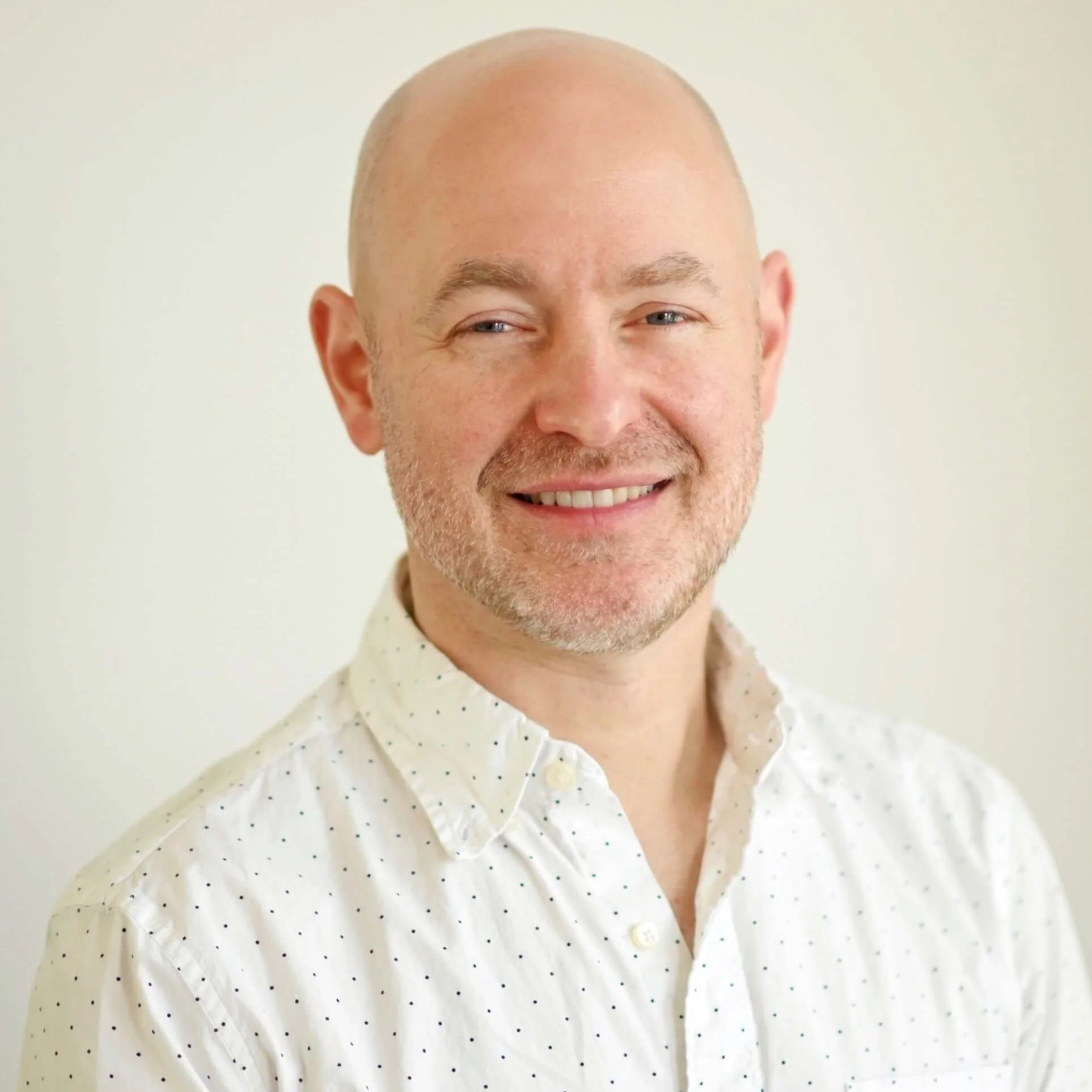
Clinical Director, Former Professor of Counselor Education & Published Researcher
Clinically Reviewed for Accuracy | April 15, 2026|By Philip B. Gnilka, PhD, NCC, CCMHC, CPC
Dr. Philip B. Gnilka is the founder of Sequoia Counseling Group in the Las Vegas Metro. He is a Nationally Certified Counselor (NCC) and a Certified Clinical Mental Health Counselor (CCMHC). Before entering full-time private practice, he served for 12 years as a Professor of Counselor Education at Kent State, DePaul, and Virginia Commonwealth University. With over 30 peer-reviewed research publications, Dr. Gnilka bridges the gap between academic theory and real-world healing.